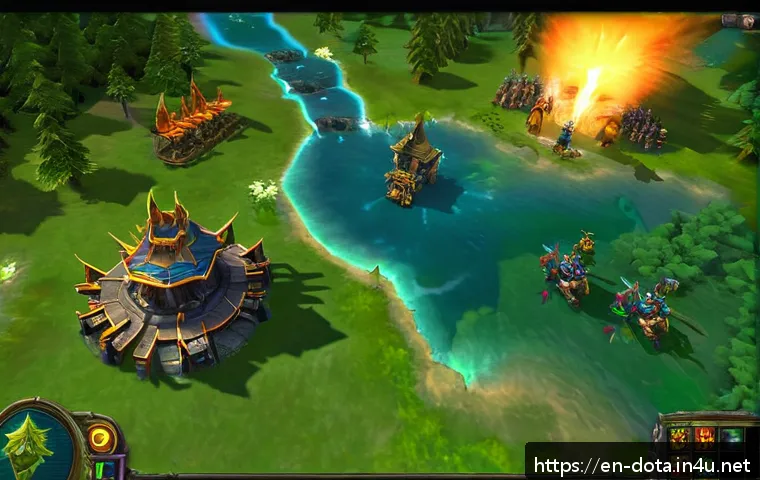
Hey there, gaming enthusiasts! If you’ve ever wondered how a humble Warcraft mod blossomed into one of the biggest esports spectacles worldwide, you’re in for a treat.
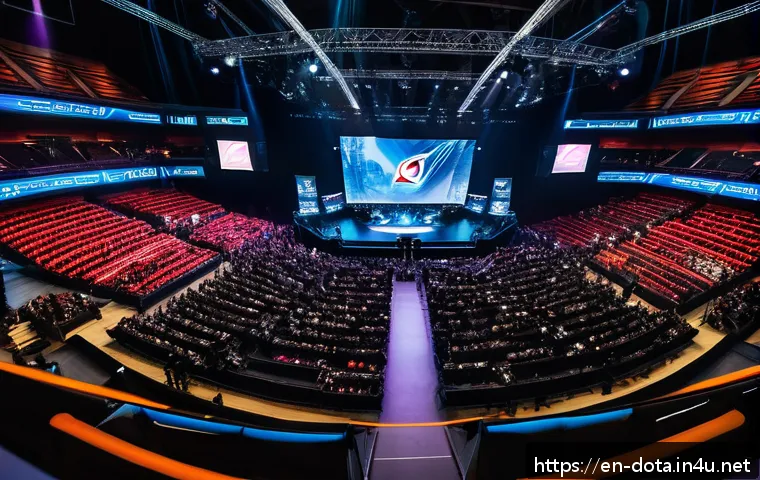
With Dota 2’s recent surge in tournament prize pools and player base, it’s clear this game has evolved far beyond its origins. Today, we’ll dive into the fascinating journey of Dota 2—from its early days as a community-driven project to becoming a global phenomenon that shapes competitive gaming culture.
Stick around, because understanding this evolution reveals not just the game’s past, but the future of esports itself.
The Birth of a New Genre
From Warcraft III to a Modding Revolution
When you trace Dota 2’s roots, it all begins with a passionate modding community within Warcraft III. Back in the early 2000s, players weren’t just satisfied with the base game—they craved more complex, strategic gameplay.
Enter the original Defense of the Ancients (DotA), crafted by a handful of dedicated modders who reimagined Warcraft’s mechanics into a thrilling team-based battle arena.
This grassroots initiative sparked a wave of creativity that proved players could shape gaming experiences themselves, setting the stage for an entirely new genre: the Multiplayer Online Battle Arena (MOBA).
Community-Driven Development and Its Challenges
What’s truly remarkable is how DotA thrived without any official support at first. The community not only created the map but continuously refined it, balancing heroes, tweaking mechanics, and introducing new features.
This organic growth was a double-edged sword; while passion fueled innovation, lack of centralized control meant inconsistencies and disputes over ownership.
Yet, this decentralized model fostered a tight-knit player base whose feedback was invaluable, shaping the game into a competitive masterpiece.
Valve’s Vision and the Leap to Dota 2
Valve’s acquisition of the DotA intellectual property marked a turning point. Recognizing the mod’s massive potential, Valve invested heavily in developing Dota 2 as a standalone title with state-of-the-art graphics, matchmaking, and support infrastructure.
The transition wasn’t just technical—it was cultural. Valve embraced the community’s spirit while adding polish and stability, creating a product that could compete on a global scale.
This blend of grassroots passion and corporate backing was key to Dota 2’s explosive growth.
The Rise of Competitive Play and Esports Integration
Early Tournaments and Community Rivalries
Long before Dota 2 became synonymous with esports, local and online tournaments helped build a fiercely competitive environment. Small-scale events, often organized by fans, gave players a platform to showcase skills and forge rivalries.
These grassroots competitions cultivated a sense of identity and pride within the community, setting the groundwork for professional leagues and international showdowns.
Watching these early battles unfold, it was clear something special was brewing—a game that demanded not just mechanical skill, but teamwork, strategy, and mental endurance.
The International: A Game-Changer in Esports
Valve’s introduction of The International in 2011 redefined the esports landscape. Offering an unprecedented prize pool funded partly by the community through in-game purchases, The International quickly became the most prestigious Dota 2 event.
It wasn’t just about the money—the tournament’s production quality, worldwide broadcast, and packed arenas gave Dota 2 a legitimacy few esports had achieved before.
Players like “Puppey” and “Dendi” became household names, and the game’s narratives captivated millions. The International set a new standard, inspiring other esports to innovate and grow.
Global Expansion and Player Base Growth
Dota 2’s competitive scene expanded beyond traditional strongholds in Europe and Southeast Asia to include North America, China, and emerging regions like South America.
This global reach wasn’t accidental; Valve’s constant updates, regional qualifiers, and community engagement nurtured a worldwide ecosystem. The game’s steep learning curve initially deterred casual players, but the competitive depth attracted those seeking serious challenge.
Over time, this balance helped Dota 2 maintain a dedicated core while steadily increasing its player base.
Innovations in Gameplay and Spectator Experience
Hero Diversity and Strategic Depth
One of Dota 2’s defining features is its vast roster of heroes, each with unique abilities that drastically change gameplay dynamics. This diversity encourages players to experiment with countless strategies, making every match feel fresh and unpredictable.
Over the years, Valve has introduced new heroes, rebalanced old ones, and implemented gameplay changes that prevent stale metas. This continuous evolution keeps veteran players engaged while offering newcomers a rich tactical playground.
Enhancing Viewer Engagement Through Technology
Dota 2’s spectator experience has evolved alongside gameplay. Features like the in-game replay system, interactive HUDs, and multiple camera angles allow fans to analyze matches like never before.
Moreover, Valve’s integration with streaming platforms and in-game fantasy leagues boosts community interaction during tournaments. These innovations don’t just entertain; they deepen viewer understanding, creating a more invested fanbase and increasing the game’s commercial viability.
Community Tools and Customization Options
Beyond the core gameplay, Dota 2 offers extensive customization options, from cosmetic skins to personalized UI layouts. The workshop system enables artists and developers to create content that players can use or purchase, fostering a vibrant marketplace.
This symbiosis between the community and developers enhances player ownership and connection to the game. Personally, I’ve found that customizing heroes adds a unique personal touch that makes the gameplay experience feel more immersive and rewarding.
Economic Impact and Prize Pool Explosion
The Crowdfunding Model and Its Ripple Effects
Dota 2 revolutionized esports funding by pioneering a crowdfunding approach for tournament prize pools. The Compendium and Battle Pass systems allow players to contribute directly to events like The International, resulting in jaw-dropping prize pools that dwarf those in traditional sports.
This model not only empowers the community but also drives sales and engagement. Watching prize pools climb to over $40 million in recent years is a testament to the game’s passionate fanbase and its innovative economic ecosystem.
Career Opportunities and Industry Growth
The financial boom in Dota 2 esports has created countless career paths beyond just pro players—casters, analysts, coaches, event organizers, and content creators all thrive within this ecosystem.

The game’s sustained popularity ensures steady demand for talent and services. From my conversations with industry insiders, it’s clear that Dota 2’s success helped legitimize esports as a viable profession, encouraging investment and professionalization across the board.
Monetization Beyond Tournaments
Valve’s monetization extends beyond prize pools through in-game item sales, battle passes, and sponsorships. The digital marketplace is a bustling hub where rare cosmetic items can fetch thousands of dollars, creating a robust secondary economy.
This diversification stabilizes revenue streams and incentivizes continuous content updates. As a player, I’ve noticed how these microtransactions, when implemented thoughtfully, enhance the game without disrupting balance, which is crucial for maintaining fairness and player trust.
Regional Scenes and Cultural Influence
Southeast Asia: Passion and Emerging Talent
Southeast Asia has become a hotbed of Dota 2 talent, with countries like the Philippines, Malaysia, and Indonesia producing world-class teams. The region’s passion for the game is palpable—local tournaments draw massive crowds and fan support is intense.
Cultural factors such as community gatherings and internet cafes play a big role in fostering grassroots growth. I’ve had the chance to visit some of these hubs, and the energy is infectious, reflecting how deeply Dota 2 resonates culturally.
China’s Strategic Dominance
China’s esports infrastructure is among the most advanced globally, and Dota 2 benefits immensely from this. Chinese teams are known for their disciplined, strategic playstyles and often dominate international competitions.
The government’s support for esports and large-scale sponsorships contribute to a professional environment that nurtures talent from a young age. This level of organization contrasts with more decentralized regions, showing how cultural and economic factors shape competitive approaches.
Western Regions and Innovation
Europe and North America have historically been Dota 2’s core competitive markets, known for innovative strategies and diverse playstyles. Western players often emphasize creativity and adaptability, which has led to some of the most memorable moments in esports history.
The scene here also benefits from a mature infrastructure of tournaments, streaming, and content creation, which helps maintain a vibrant community. From my perspective, the blend of professionalism and casual enthusiasm in these regions creates a dynamic and welcoming environment.
Technological Evolution and Platform Integration
Valve’s Continuous Engine Improvements
Under the hood, Dota 2 has seen significant technological upgrades since launch. Valve’s Source engine enhancements improve graphics fidelity, server stability, and latency reduction, all critical for a fast-paced competitive game.
These updates aren’t just cosmetic; they directly impact gameplay smoothness and player satisfaction. Experiencing these improvements firsthand, I noticed how even small tweaks can make a big difference in match quality and viewer experience.
Cross-Platform Play and Accessibility
While primarily a PC game, efforts to expand accessibility have been ongoing, including support for different operating systems and streaming capabilities.
Although Dota 2 hasn’t fully embraced mobile platforms like some competitors, Valve’s focus remains on optimizing the core experience and ensuring wide hardware compatibility.
This strategy has helped maintain a stable player base while keeping technical barriers low, a crucial factor for sustained growth.
Integration with Streaming and Social Media
Dota 2’s success is closely tied to its presence on platforms like Twitch and YouTube. Valve’s in-game tools allow easy streaming and sharing of highlights, fostering a social ecosystem around the game.
Community content creators amplify the game’s reach, creating tutorials, memes, and narratives that keep fans engaged between matches. This integration turns passive viewers into active participants, strengthening loyalty and expanding the game’s cultural footprint.
Key Milestones and Tournament Highlights
| Year | Event | Significance | Prize Pool |
|---|---|---|---|
| 2003 | Original DotA Mod Release | Birth of MOBA genre | N/A |
| 2011 | The International 1 | First Valve-sponsored Dota 2 tournament, major prize pool breakthrough | $1.6 million |
| 2013 | The International 3 | Prize pool surpasses $2.8 million, global viewership surge | $2.8 million |
| 2018 | The International 8 | Record-breaking $25 million prize pool, esports mainstream recognition | $25.5 million |
| 2023 | The International 12 | Largest prize pool in esports history, over $40 million | $40.4 million |
Conclusion
Dota 2’s journey from a humble mod to a global esports phenomenon showcases the power of community-driven innovation combined with professional development. Its ongoing evolution in gameplay, technology, and competitive spirit continues to captivate millions worldwide. As the game grows, it remains a shining example of how passion and creativity can shape an entire industry.
Useful Information to Know
1. Dota 2’s roots lie in Warcraft III modding, highlighting the impact of player creativity on game development.
2. The International tournament revolutionized esports with massive prize pools funded by the community.
3. The game’s large hero roster and constant updates keep gameplay dynamic and engaging for all skill levels.
4. Regional scenes like Southeast Asia, China, and the West each bring unique cultural influences and playstyles.
5. Valve’s technological improvements and streaming integrations have enhanced both player and viewer experiences.
Key Takeaways
Dota 2’s success is rooted in a unique blend of grassroots passion and professional support, fostering a vibrant competitive ecosystem. The game’s innovative economic model empowers players to contribute directly to esports growth, while its commitment to continuous gameplay and technological enhancements sustains long-term engagement. Understanding these factors provides insight into why Dota 2 remains a cornerstone of the esports world today.
Frequently Asked Questions (FAQ) 📖
Q: How did Dota 2 evolve from a Warcraft mod to a leading esports title?
A: Dota 2’s journey began as a fan-made mod called Defense of the Ancients for Warcraft III. Its unique blend of strategy and teamwork quickly captivated players, leading Valve to develop a standalone sequel.
Over the years, Valve’s continuous support—through regular updates, a robust matchmaking system, and community engagement—helped the game grow into a polished competitive platform.
The introduction of The International, with its groundbreaking prize pools crowdfunded by players, pushed Dota 2 into the global esports spotlight, cementing its status as a top-tier competitive game.
Q: What makes Dota 2’s tournament scene stand out compared to other esports?
A: Dota 2 tournaments, especially The International, are renowned for their massive prize pools, often exceeding tens of millions of dollars. This is largely thanks to Valve’s innovative crowdfunding model, where a portion of in-game purchases contributes directly to prize money.
Beyond the money, the scene is defined by its strategic depth, diverse hero pool, and intense team coordination, which keeps fans engaged and players constantly evolving their skills.
The passionate global community and high production values at events also make Dota 2 esports uniquely thrilling to watch.
Q: Why is understanding Dota 2’s history important for esports fans today?
A: Knowing Dota 2’s origins helps fans appreciate how grassroots community efforts can shape an entire competitive landscape. It highlights the power of player-driven innovation and the importance of developer support in building lasting esports ecosystems.
For those interested in the future of competitive gaming, Dota 2’s evolution offers insights into sustainable growth, how to engage communities, and the role of innovation in prize structures—lessons that many new esports titles are now adopting.
Understanding this history enriches the viewing experience and deepens appreciation for the game’s ongoing impact.