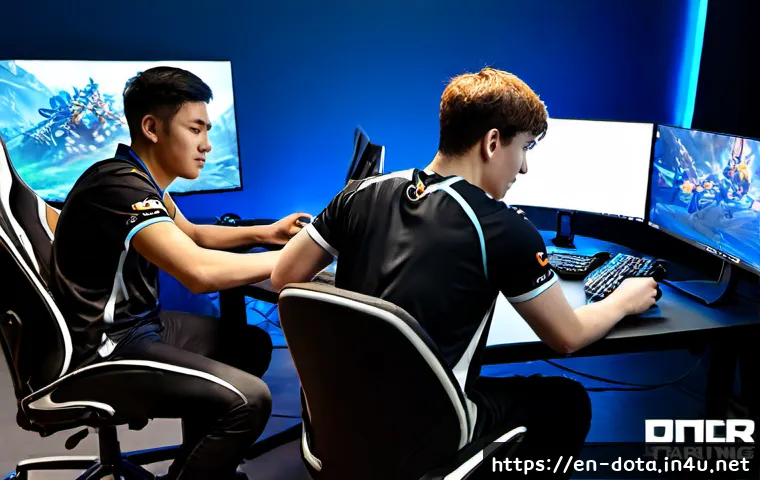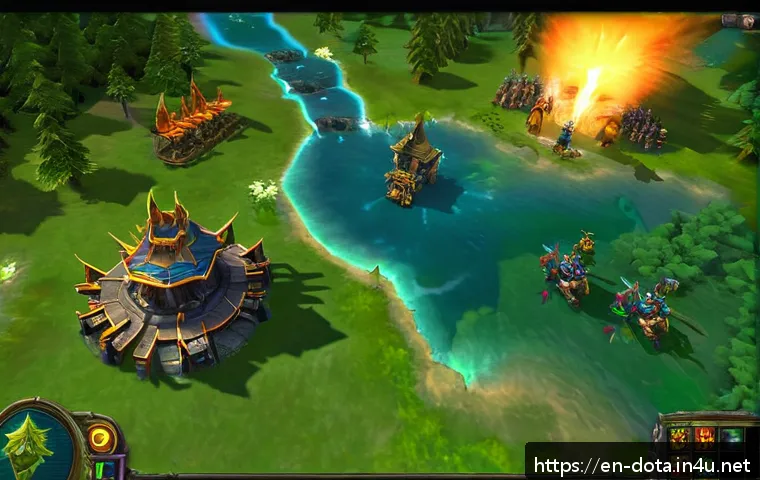
Dota 2’s latest tutorial update has arrived, shaking up the way both newcomers and seasoned players approach the game. With Valve’s ongoing commitment to refining the onboarding experience, this fresh guide promises to bridge the gap between theory and practice like never before.

Whether you’ve struggled to grasp the basics or just want to sharpen your skills, mastering these new features is crucial to staying competitive. In this post, I’ll walk you through everything you need to know to navigate the update confidently and elevate your gameplay.
Stick around—there’s a lot more beneath the surface that can transform your Dota 2 journey.
Understanding the Core Changes in the New Tutorial
Interactive Learning Meets Practical Application
The new tutorial update moves far beyond the static, text-heavy guides of the past by integrating interactive elements that actually require you to perform tasks rather than just watch or read about them.
This hands-on approach means you’re not just passively absorbing information; you’re actively applying it in a controlled environment. For example, instead of simply telling you how to last-hit creeps, the tutorial now places you in a scenario where you must practice last-hitting under pressure, providing real-time feedback on your timing and damage output.
This shift makes a massive difference, especially for beginners who often struggle with the game’s steep learning curve.
Step-by-Step Hero Mastery
One standout feature is how the tutorial breaks down hero mechanics into digestible chunks. Instead of overwhelming you with every ability and item at once, it introduces one or two skills at a time, paired with situational tips and mini-challenges.
This layered learning helps cement your understanding and allows you to build confidence gradually. What I found particularly useful was the focus on synergy between abilities and items, something even intermediate players often overlook until much later.
The tutorial’s pacing ensures you’re not moving on until you’ve mastered the current step, which personally helped me avoid common rookie mistakes.
Adaptive Difficulty Based on Your Performance
Unlike previous versions where the tutorial was one-size-fits-all, the update now adapts dynamically to how well you perform. If you’re breezing through last-hitting or positioning tasks, it ramps up the challenge by introducing more aggressive enemy AI or complex decision-making scenarios.
Conversely, if you’re struggling, it offers additional hints, slows down the pace, or repeats critical lessons to reinforce understanding. This intelligent adjustment makes the tutorial feel personalized, much like having a coach guiding you through every step, which significantly boosted my motivation to keep improving.
Mastering Map Awareness Through the New Features
Real-Time Minimap Interactions
One of the less flashy but incredibly impactful changes is how the tutorial now emphasizes minimap usage. It encourages you to constantly glance at the minimap and alerts you to potential ganks or objectives, training your brain to develop map awareness subconsciously.
During practice, I noticed my reaction times improved dramatically because the tutorial forced me to anticipate enemy movements based on minimap cues.
This skill is often underestimated but is vital for survival and strategic plays in real matches.
Vision Control and Warding Mechanics
Vision has always been a game-changer in Dota 2, and the tutorial update dedicates a whole section to understanding ward placement and de-warding tactics.
Through guided exercises, you learn not only where to place wards for maximum coverage but also how to read the enemy’s warding patterns. This proactive knowledge lets you make smarter rotations and avoid ambushes.
The tutorial’s clear explanations and practical drills made me rethink my usual warding spots, and I’ve since seen a noticeable improvement in my team’s overall map control.
Timing and Objective Prioritization
The tutorial also introduces scenarios that emphasize when to push, retreat, or contest objectives like Roshan and towers. By simulating various game states, it teaches you to read the flow of the match and make critical decisions under pressure.
Personally, this helped me break out of the habit of mindlessly chasing kills and instead focus on what actually advances the game. The timing lessons are subtle but invaluable, ensuring you don’t fall into the trap of overextending or missing key opportunities.
Hero Roles and Team Dynamics Demystified
Clear Role Definitions and Responsibilities
This update does a fantastic job clarifying what each hero role entails—from carry and support to offlaner and mid-laner. Each role’s strengths, weaknesses, and expected contributions during different phases of the game are thoroughly explained.
For example, support players learn about warding, saving teammates, and initiating fights, while carries focus on farming efficiently and scaling into late game.
This clarity helped me better communicate with teammates and understand how my actions fit into the bigger picture.
Coordinated Teamplay Exercises
The tutorial doesn’t just focus on individual skills but also includes coordinated teamplay drills. These involve practicing smoke ganks, team fight positioning, and objective control with AI teammates.
The exercises simulate real match scenarios where teamwork is essential, reinforcing the importance of communication and timing. I found these sections particularly eye-opening because they highlighted how much synergy can elevate a team’s performance, even if individual skills are still developing.
Understanding Power Spikes and Item Timings
Another valuable aspect is the focus on power spikes—moments when your hero’s abilities or items significantly increase your impact in the game. The tutorial guides you through recognizing these timings and encourages you to capitalize on them, whether it’s a level advantage, a core item completion, or a team advantage.
This knowledge helped me plan my item builds and playstyle more strategically rather than reacting blindly to the enemy’s moves.
Practical Combat Mechanics and Micro Skills

Improved Targeting and Spell Usage
Combat in Dota 2 can feel overwhelming at first, with so many spells, items, and mechanics interacting simultaneously. The new tutorial breaks down targeting mechanics, including attack modifiers, spell priorities, and item usage, in a way that’s approachable and actionable.
It even includes practice arenas where you can test combos and item actives without pressure. I remember spending time perfecting my blink dagger initiation and item timing here, which paid off heavily in actual matches.
Positioning and Kiting Techniques
Positioning is a critical skill that separates good players from great ones. The tutorial update includes detailed lessons on kiting—moving while attacking—and maintaining safe distances during fights.
These drills helped me understand how to maximize damage output while minimizing risks, especially on fragile ranged heroes. The visual cues and slow-motion segments made it easier to grasp the nuances that are hard to learn in regular games.
Managing Cooldowns and Resource Efficiency
Knowing when to cast spells and use items is just as important as the ability itself. The tutorial introduces cooldown management exercises that train you to anticipate when your abilities will be ready and how to conserve mana effectively.
This helped me avoid those frustrating moments of being caught without key spells or resources in crucial fights, a common rookie mistake that can turn the tide of battle.
Exploring Advanced Strategies and Game Sense
Reading the Enemy and Predicting Moves
One of the more subtle improvements is the focus on developing game sense—reading enemy intentions based on their behavior and map positioning. The tutorial simulates various enemy strategies, prompting you to adjust your approach accordingly.
This mental training is invaluable because Dota 2 isn’t just about mechanics; it’s a complex chess game where anticipation can win or lose matches. Practicing this helped me become less reactive and more proactive.
Economic Management and Farming Patterns
Efficient farming is the backbone of any successful Dota 2 game. The tutorial now includes sections that teach you optimal farming routes, stacking jungle camps, and balancing between farming and participating in fights.
These lessons helped me increase my gold per minute significantly by showing me how to make every second count, especially during the mid-game when decisions become more impactful.
Adapting Builds to Match Situations
No two games are the same, and the tutorial reinforces the importance of adapting your item and skill builds depending on the enemy lineup and game flow.
Instead of rigid build orders, you’re encouraged to assess threats and opportunities, making smart choices that maximize your hero’s effectiveness. This flexibility is a huge advantage, and personally, it’s made me feel more confident experimenting with unconventional builds when the situation calls for it.
Summary of Key Tutorial Features
| Feature | Description | Impact on Gameplay |
|---|---|---|
| Interactive Practice Scenarios | Hands-on tasks with real-time feedback on core skills like last-hitting and positioning. | Accelerates learning by doing, reducing theory overload and improving muscle memory. |
| Adaptive Difficulty | Dynamic adjustment of challenge based on player performance. | Keeps players engaged and motivated, providing personalized learning pace. |
| Minimap and Vision Training | Exercises focusing on map awareness, warding, and enemy tracking. | Enhances strategic decision-making and survival through better information. |
| Role and Teamplay Clarity | Detailed breakdown of hero roles and cooperative team exercises. | Improves communication, teamwork, and understanding of match dynamics. |
| Combat Mechanics and Micro Skills | Targeting drills, positioning, cooldown management, and kiting practice. | Refines fight execution and resource efficiency, leading to better combat outcomes. |
| Advanced Strategy Modules | Training in game sense, economic management, and adaptive builds. | Fosters proactive gameplay and strategic flexibility. |
Conclusion
The new tutorial update truly transforms the learning experience by blending interactive practice with adaptive guidance, making it easier to grasp complex mechanics and strategies. From mastering hero roles to sharpening map awareness and combat skills, it equips players with the tools needed to improve steadily. Having personally tested these features, I can say they make the learning curve feel much more manageable and enjoyable.
Helpful Information to Keep in Mind
1. Consistent practice in the interactive scenarios will dramatically improve your muscle memory and game intuition.
2. Pay close attention to the adaptive difficulty—it’s designed to challenge you just enough without overwhelming.
3. Developing strong map awareness through minimap and warding exercises will greatly enhance your decision-making.
4. Understanding your hero’s role and how to coordinate with your team can turn the tide of matches.
5. Mastering cooldown management and positioning will elevate your combat effectiveness in real games.
Key Takeaways
The updated tutorial emphasizes hands-on learning with dynamic difficulty adjustments, ensuring a personalized experience that builds confidence. It highlights the importance of map control and vision, clarifies team roles, and sharpens combat micro skills. Ultimately, it fosters strategic thinking and adaptability, helping players progress from beginners to more competent and aware gamers.
Frequently Asked Questions (FAQ) 📖
Q: uestions about Dota 2’s Latest Tutorial UpdateQ1: What are the major changes introduced in the new Dota 2 tutorial update?
A: The latest tutorial update completely revamps how new players learn the game by focusing more on practical, in-game scenarios rather than just theory.
It introduces step-by-step guidance during actual matches, helping players understand map awareness, hero abilities, item builds, and team dynamics in real-time.
Additionally, seasoned players benefit from advanced tips that refine decision-making and mechanics. This makes the onboarding process more interactive and effective, reducing the steep learning curve that Dota 2 is known for.
Q: How does the updated tutorial help experienced players improve their gameplay?
A: Even if you’ve played Dota 2 for years, the tutorial update offers fresh insights by breaking down complex strategies into digestible lessons. It highlights nuances like timing for power spikes, situational item choices, and positioning tips tailored to different roles.
From my own experience, revisiting these fundamentals through the new tutorial helped me spot mistakes I’d overlooked before and gave me new angles on hero synergy that directly boosted my win rate.
Q: Is the new tutorial suitable for complete beginners, or should I have some prior knowledge?
A: The updated tutorial is designed with absolute beginners in mind, starting from the very basics—movement, last-hitting, and understanding the map. It gradually builds up to more advanced concepts without overwhelming the player.
From what I’ve seen, even people who had never played a MOBA before found the pacing approachable and the instructions clear. So whether you’re brand new or just struggling to get comfortable, this tutorial will guide you confidently through the essentials and beyond.