Hey there, fellow Dota 2 enthusiasts! You know, in the fast-paced, high-stakes world of Dota 2, every single detail can truly make or break your game.
I’ve personally found that one of the most overlooked yet impactful ways to gain an edge and truly personalize your experience is through HUD customization.
Forget just flashy hero skins for a moment – your Heads-Up Display is what you stare at for every single second of a match, providing all that crucial info like health, mana, items, and the mini-map.
A well-chosen, intuitive HUD isn’t just about aesthetics; it’s about optimizing your visual clarity and reaction time, allowing for more effective hero management and just a smoother, more enjoyable time in the lanes.
With recent updates, Valve has continually refined the UI, and while sometimes the community has strong opinions (remember the 7.00 update’s HUD changes?), the underlying philosophy is always about enhancing the player experience and offering deeper customization.
Getting your HUD just right can honestly feel like finding that perfect sensitivity setting for your mouse – it just *clicks* and suddenly you’re playing better, feeling more in tune with the game.
If you’re ready to transform your gameplay and express your unique style, you’ve come to the right place. Below, we’re going to dive deep and show you exactly how to optimize your Dota 2 HUD for peak performance and personal flair.
Let’s make sure your interface works for *you*, not against you!
Hey there, fellow Dota 2 enthusiasts! You know, in the fast-paced, high-stakes world of Dota 2, every single detail can truly make or break your game.
I’ve personally found that one of the most overlooked yet impactful ways to gain an edge and truly personalize your experience is through HUD customization.
Forget just flashy hero skins for a moment – your Heads-Up Display is what you stare at for every single second of a match, providing all that crucial info like health, mana, items, and the mini-map.
A well-chosen, intuitive HUD isn’t just about aesthetics; it’s about optimizing your visual clarity and reaction time, allowing for more effective hero management and just a smoother, more enjoyable time in the lanes.
With recent updates, Valve has continually refined the UI, and while sometimes the community has strong opinions (remember the 7.00 update’s HUD changes?), the underlying philosophy is always about enhancing the player experience and offering deeper customization.
Getting your HUD just right can honestly feel like finding that perfect sensitivity setting for your mouse – it just *clicks* and suddenly you’re playing better, feeling more in tune with the game.
If you’re ready to transform your gameplay and express your unique style, you’ve come to the right place. Below, we’re going to dive deep and show you exactly how to optimize your Dota 2 HUD for peak performance and personal flair.
Let’s make sure your interface works for *you*, not against you!
Getting to Grips with Your Current Display
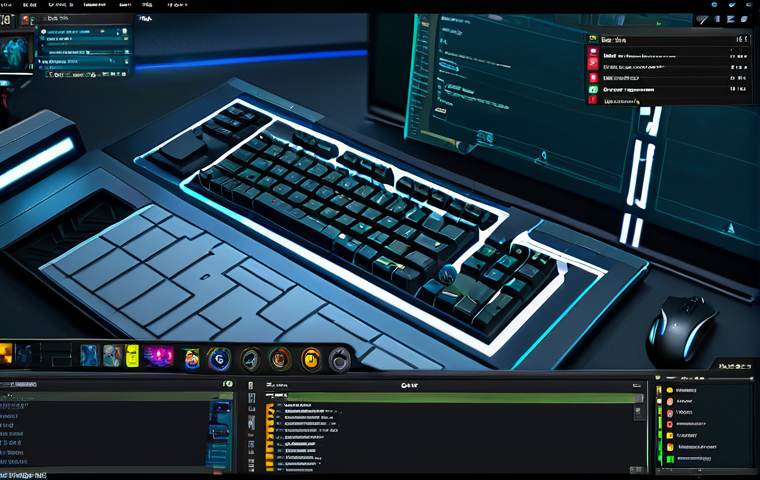
Standard Layouts and Essential Information
It’s easy to overlook, but understanding the default HUD is your first step to true customization. Valve’s standard interface, while evolving, always aims to present critical information efficiently.
You’ve got your hero portrait, health and mana bars, ability icons with cooldowns, item slots, and of course, that ever-important minimap – all strategically placed.
For years, I just accepted this layout as the “way things are,” but once I started dissecting *why* certain elements are where they are, it opened my eyes.
For instance, the health and mana bars are central because they’re the most frequently checked resources, while the minimap sits typically on the bottom left or right, a quick glance away.
Knowing the intention behind these placements helps you decide if a custom HUD truly improves upon it or just changes it for the sake of aesthetics. I remember during the infamous 7.00 update, when the HUD went through a massive overhaul, a lot of us were disoriented, but eventually, we learned to appreciate the new clarity and space it provided, highlighting how even minor shifts can profoundly impact your game flow and decision-making speed.
Don’t be afraid to poke around in your settings – you’d be surprised what you can already adjust without even diving into custom skins. It’s all about making sure you’re receiving information as clearly and quickly as possible, especially when the game gets chaotic in those late-game team fights.
Unlocking Basic In-Game Adjustments
Before you even think about downloading a custom HUD, take a moment to explore the in-game options Valve provides. You might be surprised at the level of flexibility already built into the client!
Head over to your settings and look for the ‘Interface’ tab. Here, you’ll find toggles for things like the ‘Unit Query Panel’ which shows detailed info about selected units, or options to adjust the size of the minimap and even the overall UI scale.
I’ve personally found that just slightly bumping up the UI scale can make spell icons and item slots much clearer, reducing the amount of eye strain during long gaming sessions.
There are also settings for how health bars are displayed – do you want them to always show? Only when taking damage? These seemingly small tweaks can drastically improve your visual clarity.
When I first started playing, I just accepted everything as default, but a friend once showed me how to make enemy health bars more prominent, and it felt like a superpower during lane phase.
Experiment with these basic adjustments first; you might discover that a few simple clicks are all you need to get that personalized feel you’re looking for, rather than a complete overhaul.
Beyond the Defaults: Exploring Custom HUD Skins
Finding Your Perfect Aesthetic in the Workshop
The Steam Workshop for Dota 2 is a goldmine for custom HUD skins, and trust me, navigating it is an adventure in itself. I’ve spent countless hours sifting through pages of user-created designs, searching for that perfect blend of functionality and style.
When you’re browsing, don’t just go for the flashiest ones. Look at the screenshots closely – do the health bars look clear? Are the spell icons easy to distinguish?
Check the update history and user reviews. A HUD that hasn’t been updated in years might break with a new Dota 2 patch, which is incredibly frustrating in the middle of a ranked game.
I’ve been there, a beautiful HUD suddenly having misaligned elements after a major update, and it just throws your whole game off. Pay attention to how the information is presented, not just the background art.
Some skins prioritize artistic flair over readability, and while they might look cool in the preview, they can become a hindrance during actual gameplay.
Remember, you’re going to be staring at this for potentially hours, so comfort and clarity are paramount. Don’t be afraid to subscribe to a few, test them out, and then unsubscribe if they don’t feel right.
It’s a journey of discovery, and your ideal HUD is out there.
What Makes a Custom HUD Truly Stand Out?
In my experience, a truly exceptional custom HUD isn’t just about pretty pictures; it’s about thoughtful design that enhances gameplay. First and foremost, readability is key.
This means clear, distinct fonts for numbers and text, good contrast between elements and their backgrounds, and intuitive placement of crucial information.
I’ve tried HUDs that look incredible but made it almost impossible to quickly check my gold or a teammate’s mana, which is a major no-go for competitive play.
Secondly, a great HUD streamlines information without clutter. The best ones manage to present all the necessary data – health, mana, items, abilities, minimap, KDA – in a way that feels spacious and organized, not overwhelming.
Some even subtly alter the color schemes to provide better visual cues for status effects or cooldowns, which I personally find incredibly helpful. Finally, it’s about personal expression.
While functionality comes first, finding a HUD that resonates with your personal style can genuinely make the game feel more engaging. Whether it’s a sleek, minimalist design or something with a vibrant, fantasy aesthetic, if it makes you *feel* better while playing, that’s a win.
The Practical Side: Installation and Troubleshooting
Seamlessly Integrating Your Chosen Skin
Installing a custom HUD from the Steam Workshop is generally a breeze, which is fantastic because nobody wants to jump through hoops just to change their UI.
Once you’ve found a HUD you like, all you usually need to do is click that “Subscribe” button on its Workshop page. Dota 2 handles the rest; it downloads the necessary files, and the next time you launch the game, you can typically activate it directly from the in-game settings under the ‘Global Items’ tab.
It’s usually a one-click process there as well, which is super convenient. I’ve done this countless times, and for the most part, it just works without a hitch.
This ease of installation is why I always recommend starting with Workshop HUDs before diving into more complex, manually installed options. The system is designed to be user-friendly, allowing you to quickly switch between different HUDs if you’re trying to find your perfect fit without a lot of hassle.
Just hit subscribe, launch Dota, select it, and you’re good to go. It really doesn’t get much simpler than that for enhancing your game’s look and feel.
Solving Common HUD Headaches
Even with the best systems, sometimes things don’t go perfectly, and you might encounter a custom HUD that doesn’t load correctly or causes odd visual glitches.
Don’t panic! I’ve been there, staring at a broken UI, wondering what went wrong. The first thing I always try is verifying the integrity of my game files through Steam.
This often fixes corrupted files or missing assets that might be interfering with your HUD. Another common issue can be a conflict with other subscribed items or an outdated HUD that hasn’t been updated for the latest Dota 2 patch.
If verifying files doesn’t work, try unsubscribing from the problematic HUD, clearing your Steam download cache (found in Steam settings), and then re-subscribing.
Sometimes a fresh download is all it needs. If you’re still having trouble, checking the Workshop page comments for that specific HUD can be incredibly helpful.
Often, other users will have faced similar issues and posted solutions or workarounds. It’s all part of the journey to find that perfect, stable, and visually appealing interface that works flawlessly every single time you queue up for a game.
Optimizing Your Display for Competitive Edge
Clutter-Free for Peak Performance
When you’re in the heat of a ranked match, every fraction of a second counts. This is where a truly optimized HUD shines. My personal philosophy is “less is more” when it comes to competitive play.
While a fancy design might look cool, if it adds visual clutter or makes it harder to quickly identify crucial information like an enemy’s health, your own cooldowns, or the position of your teammates on the minimap, it’s doing more harm than good.
I’ve personally experimented with various HUDs, some minimalist, some highly ornate, and I always gravitate back towards designs that prioritize clear, unobstructed visibility of essential game elements.
Think about removing unnecessary animations or overly bright, distracting elements. Your eyes should be able to scan the information you need in an instant, without having to actively search for it.
For example, during a chaotic team fight, you don’t want to be straining to see your remaining mana or if your ultimate is off cooldown. A clean, efficient HUD can genuinely improve your reaction time and decision-making, giving you that crucial competitive edge that can often be the difference between a win and a loss.
| HUD Aspect | Default HUD Experience | Custom HUD Potential |
|---|---|---|
| Readability | Generally good, but can feel generic or sometimes busy. | Varies wildly; can be significantly improved with clear fonts/contrast. |
| Aesthetics | Functional but often lacks unique visual flair. | Highly personalized, allowing for diverse themes and styles. |
| Information Density | Standard layout, all core info present. | Can be streamlined, decluttered, or emphasize specific info. |
| Visual Clutter | Can feel somewhat dense in certain areas. | Potential to reduce distractions for a cleaner view. |
| Player Immersion | Standard feel; might not enhance engagement. | Can significantly boost engagement and personal connection to the game. |
Color Schemes and Readability
The psychological impact of color in a fast-paced game like Dota 2 is often underestimated, especially when it comes to your HUD. The right color scheme can make a huge difference in how quickly and accurately you process information.
For instance, some people find bright, high-contrast colors jarring and fatiguing over long sessions, while others thrive on them for immediate visual cues.
I’ve found that a well-balanced color palette, one that’s easy on the eyes but still provides clear differentiation between elements (like enemy health bars versus ally health bars), is crucial.
Many custom HUDs experiment with different shades and hues for health, mana, and cooldown indicators. If you’re colorblind, this becomes even more critical, and many custom HUDs, or even in-game settings, offer options to adjust for various types of colorblindness.
Experimenting with these can drastically improve your ability to quickly parse the battleground. A poorly chosen color scheme can lead to eye strain and delayed reactions, making it harder to discern critical game states.
My recommendation is to find something that doesn’t blend into the environment but also isn’t so vibrant that it distracts you. It’s a delicate balance, and your personal comfort is always the priority here.
My Personal HUD Philosophies for Enhanced Play
Tailoring Your Display to Your Hero Role
This might sound a bit next-level, but I genuinely believe that the perfect HUD isn’t a one-size-fits-all solution; it should subtly adapt to the role you’re playing.
Think about it: a hard support player needs to keep an eagle eye on ward timings, courier status, and team mana pools, while a carry player might prioritize their own item progression, last-hit count, and precise damage numbers.
When I’m playing a support hero, I often opt for a HUD that makes the ‘Observer Ward’ and ‘Sentry Ward’ stock indicators incredibly prominent, sometimes even looking for HUDs that have clearer visual cues for when important abilities like ‘Glimmer Cape’ or ‘Force Staff’ are off cooldown.
On the flip side, when I’m farming as a carry, I appreciate a cleaner central display that doesn’t obstruct my view of creep waves, and a HUD that makes my item slots distinct, allowing for quick active item usage.
While I don’t switch HUDs mid-game (that would be insane!), having a favorite setup for each major role archetype has genuinely elevated my gameplay by presenting the most relevant information to me at a glance.
It’s about optimizing the information flow for your specific responsibilities within the game.
Keeping Your HUD Fresh and Functional
Just like hero metas shift and item builds evolve, your HUD preferences might change over time, especially with Valve’s continuous updates to Dota 2. I’ve learned the hard way that a HUD I loved for months can suddenly feel clunky or even break entirely after a major game patch.
This is why I always advocate for regularly checking for updates to your subscribed HUDs on the Workshop, or at least being open to trying new ones. Sometimes, a patch introduces new UI elements that an older custom HUD wasn’t designed for, leading to misalignments or missing information.
It’s frustrating, I know, but it’s also an opportunity to explore new designs and find something even better! Don’t get stuck in a rut; what worked perfectly a year ago might not be the optimal choice today.
Periodically browsing the ‘most popular’ or ‘recently updated’ sections of the Workshop can reveal fantastic new options. Keeping your HUD fresh and functional ensures you’re always getting the best visual experience and the most accurate information, helping you stay ahead of the curve.
Delving into Advanced Tweaks and Configuration Files
Unlocking Hidden Features with Console Commands
For those of you who really like to get under the hood, Dota 2 offers a range of console commands that can provide even finer control over your HUD experience, beyond what the standard settings or even custom Workshop skins allow.
I remember first discovering these commands and feeling like I’d unlocked a secret level of customization! While I won’t dive into every single one, some general categories include commands starting with which let you adjust very specific elements.
For example, some players like to ensure their hero’s health numerical value is always visible, and there might be a console command to force that even if the HUD skin usually hides it.
Be warned, though, that playing with console commands requires a bit of research and caution. Always make sure you understand what a command does before you execute it, and it’s always a good idea to back up your autoexec.cfg file if you’re making permanent changes.
I’ve definitely had moments where I typed in something I shouldn’t have and spent a good twenty minutes figuring out how to revert it. But for those willing to experiment, these commands offer a powerful way to truly tailor your interface to an almost pixel-perfect degree, creating a setup that truly works *only* for you.
Venturing into Game Files: The Ultimate Customization
Now, this is for the truly adventurous and technically inclined among you. Beyond console commands, the deepest level of HUD customization involves directly editing game configuration files.
This means navigating to your Dota 2 installation directory, usually something like or similar. In these folders, you’ll find files like or other files that control various game settings and UI elements.
This is where you can manually define custom keybinds, advanced video settings, and yes, even intricate HUD parameters if you know what you’re doing. I’ve only dabbled in this a few times for very specific, niche tweaks – things like making my minimap icons a hair smaller or adjusting the precise transparency of a certain UI element that no in-game option or Workshop HUD touched.
A massive word of caution here: always, always back up any file before you edit it. One wrong character can break your game client, forcing you to verify files or even reinstall.
It’s a high-risk, high-reward endeavor, offering unparalleled control but demanding precision and a good understanding of what each line of code does.
For most players, sticking to the Workshop and in-game options is perfectly sufficient, but for those who crave the absolute pinnacle of personalized control, the game files await.
Whew, what a ride, fellow Dota 2 fanatics! We’ve navigated the depths of HUD customization, from Valve’s fundamental designs to the most intricate community-created skins, and even peeked into the realm of console commands.
It’s truly amazing how much control we have over our gaming experience if we just take the time to explore and tweak. Remember, your HUD isn’t just a pretty picture; it’s a powerful tool that, when optimized, can elevate your gameplay, improve your reaction times, and ultimately make your journey through the lanes and jungles of Dota 2 more intuitive and enjoyable.
I’ve personally seen my own game improve by leaps and bounds just by finding that perfect balance of clarity and personal flair, and I’m confident you can too.
So go forth, experiment, and truly make your Dota 2 interface your own!
Closing Thoughts
It’s been an incredible journey diving deep into the world of Dota 2 HUD customization. From the initial confusion of what all those elements even mean to the satisfaction of crafting a display that perfectly complements your playstyle, it’s a process I truly love.
I firmly believe that taking control of your visual interface is one of the most underrated ways to genuinely improve your game, making every last hit, every spell cast, and every team fight feel more precise and natural.
Don’t be afraid to experiment; your perfect HUD is out there, waiting to be discovered and put to work for you.
Useful Information to Know
1. Optimize Basic Settings First: Before diving into custom HUDs, always check your in-game ‘Interface’ and ‘Video’ settings. Simple adjustments like minimap size, UI scale, and health bar displays can significantly improve clarity without needing external downloads. For instance, enabling ‘ALT Highlights Hero’ and ‘ALT Shows Neutral Spawnboxes’ can provide crucial in-game information with a simple key press, directly enhancing your awareness.
2. Prioritize Performance over Aesthetics: While a visually stunning HUD is tempting, competitive play demands clarity and minimal distractions. Turn off unnecessary animations, high-quality water, ambient creatures, and atmospheric fog in your video settings to reduce visual clutter and boost FPS, especially during intense team fights. A smooth frame rate and a clear view are often more beneficial than fancy graphics.
3. Utilize the Steam Workshop Wisely: The Workshop is a treasure trove, but always check a HUD skin’s update history and user reviews. An outdated HUD can break with game patches, causing visual glitches and frustration. Look for skins that prioritize readability with clear fonts and good contrast, ensuring critical information is always easily accessible.
4. Explore Console Commands for Fine-Tuning: For advanced users, console commands ( prefixes) offer granular control beyond graphical settings. Commands like in launch options to enable the console, or to display your FPS can be invaluable for troubleshooting and optimizing performance. Remember to research what each command does to avoid unintended effects.
5. Tailor Your Minimap Experience: The minimap is your strategic lifeline. Enabling “Use Extra Large Minimap” and “Use Alt to Show Hero Icons” can drastically improve your map awareness, allowing you to track hero movements and ganks more effectively. Some players also prefer “Use Simple Minimap Background” for clearer visibility.
Important Takeaways
Optimizing your Dota 2 HUD isn’t just about making your game look good; it’s a strategic move that directly impacts your performance and enjoyment. By carefully selecting and configuring your display, you empower yourself with immediate, clear access to crucial game information, improving your decision-making and reaction times.
Remember that readability and a clutter-free interface are paramount, especially in the heat of battle. Don’t hesitate to leverage both in-game settings and the vast array of custom skins available in the Steam Workshop.
Furthermore, understanding the nuances of color schemes and even delving into advanced console commands can give you that extra edge, ensuring your HUD truly works for *you*.
Always be open to refining your setup, as Dota 2 continually evolves, and your ideal interface might too. A well-optimized HUD is a powerful ally on your journey to mastering the ancient game.
Frequently Asked Questions (FAQ) 📖
Q: Why should I even bother customizing my Dota 2 HUD? Isn’t the default good enough?
A: Ah, this is a question I hear all the time, and honestly, it’s one I asked myself a long time ago before I truly “saw the light” of customization. While the default Dota 2 HUD is perfectly functional, calling it “good enough” for competitive or even highly engaged casual play really misses the mark on the huge advantage a personalized HUD can offer.
Think of it this way: your HUD is your window into the game, displaying vital information that dictates your decisions, your reaction times, and ultimately, your success.
The default is a one-size-fits-all solution, but you’re not “all,” are you? You have unique preferences, a specific monitor setup, and perhaps even particular visual needs.
From my personal experience, a customized HUD dramatically improves visual clarity. I used to struggle with certain elements blending into the background during chaotic team fights, sometimes missing a crucial item activation or an enemy’s low health bar.
By tweaking things like minimap size or the display of health bars, I found I could parse information far faster. When everything is exactly where you expect it to be, and presented in a way that’s easy for your eyes to absorb, you reduce cognitive load.
This means less time trying to find information, and more time actually processing it and making plays. For example, by increasing the size of hero icons on the minimap, I noticed my map awareness improved almost instantly because I could spot enemy movements with a quick glance, rather than having to squint.
This isn’t just about making the game look prettier; it’s about gaining a genuine competitive edge by optimizing your interface for peak performance. It’s like upgrading from a standard keyboard to a mechanical one tailored to your typing style – suddenly, every action feels more deliberate, more efficient.
Plus, let’s be real, having an interface that feels uniquely yours just makes the entire gaming experience more enjoyable and immersive.
Q: Okay, I’m convinced! How do I actually customize my HUD and what are the easiest in-game options to tweak?
A: Fantastic! You’re already on your way to a more optimized and personal Dota 2 experience. The good news is, Valve has built a ton of really useful customization options directly into the game’s settings, so you don’t need to be a tech wizard to get started.
The first place you’ll want to head is your in-game “Settings” menu – typically accessible via the cog icon in the top left or bottom right of the main menu.
Once you’re in there, navigate to the “Options” tab, and then often deeper into “Advanced Options” and “Interface” settings. This is where the magic happens!
Let me walk you through some of the game-changers I’ve personally tinkered with:Minimap Scaling: This is huge! You can actually adjust the size of your minimap within the game options.
A larger minimap means clearer hero icons, better visibility of ward placements, and quicker recognition of enemy movements. For me, bumping this up slightly made a world of difference in my map awareness.
Valve even added a “simplified background” option, which can make parsing the minimap even quicker, especially in the heat of battle. Health Bars & Status: Dive into the interface settings to find options for how health bars are displayed.
You can choose to smooth out the health bars or change the health per vertical marker, which essentially dictates how frequently the little “lines” appear on health bars, giving you a clearer visual representation of HP chunks.
You can also enable “always show player names” on top of health bars if you prefer that. These might seem minor, but during intense fights, having this information presented cleanly can shave precious milliseconds off your reaction time.
ALT-Key Information: This is one of my absolute favorite hidden gems! In the interface options, make sure to enable features that display information when you hold down the ALT key.
This includes showing neutral camp spawn boxes (crucial for stacking and pulling!), tower attack ranges (essential for diving and not getting punished!), and even detailed status of your teammates (health, mana, buyback status) right above their hero portraits on the top bar.
Trust me, knowing that a tower’s attack range or if your ally has buyback available with a quick tap of ALT can absolutely swing a game. Ability Rangefinder: For heroes with targeted abilities or area-of-effect spells, the “Show Ability Rangefinder While Casting” option is a game-changer.
When active, a green bar will appear showing the exact range of your spell as you’re aiming, turning transparent if you move out of range. This eliminates guesswork and helps you land those clutch Pudge hooks or Mirana arrows more consistently.
I highly recommend jumping into a demo lobby or a bot match and spending some time just toggling these settings on and off. See what feels right for you.
It’s all about finding that perfect balance that enhances your vision without overwhelming your screen.
Q: What about those cool custom HUDs I see some pros use or used to hear about?
A: nd are there any secret console commands I should know? A3: Ah, the legendary “custom HUDs” question! This is where things get a little nuanced, and it’s something I’ve seen a lot of confusion around.
In the older days of Dota 2, especially before the big 7.00 update, the Steam Workshop was teeming with elaborate custom HUD skins that could dramatically alter the visual style and even some layouts of your interface.
Players could buy these, often making their HUD look completely unique. However, since Valve’s major UI overhauls, the scope of what these traditional custom HUD “skins” can change has significantly narrowed.
While you can still equip official HUD skins (often acquired through Battle Passes or The International Compendiums), which you’ll find in your Armory under the “Interface” tab, they primarily offer aesthetic changes – different textures, colors, or art styles – rather than fundamental layout modifications.
They make your game look sharp and personal, but they won’t, for example, move your minimap to a different corner of the screen. Think of them more as stylish overlays that complement Valve’s modern, streamlined UI design.
So, if you’re looking for radical layout shifts, the days of those extensive workshop HUDs are largely behind us. Now, for those who truly want to dig deeper and fine-tune aspects beyond the in-game settings, that’s where console commands come into play!
This is a bit more advanced, but it can offer granular control. First, you’ll need to enable the console. You do this by right-clicking Dota 2 in your Steam Library, going to “Properties,” clicking “Set Launch Options,” and typing .
Once that’s done, you can open the console in-game by pressing the “dotaminimapherosize
dotadisablerangefinder 00dotaalwaysshowplayernames 1dotahudhealthbars 1`: This command can make your health bars appear smoother, removing some of the default segmented lines.
It’s a subtle change, but for some players, it offers a cleaner visual representation of health.
[1, 8]Always remember to test these commands in a private lobby or demo mode before hopping into a ranked game. While these commands are generally safe and commonly used, it’s good practice to understand their effects.
Diving into console commands is like unlocking a hidden layer of customization, allowing you to truly dial in your interface to your exact specifications.
It’s an awesome way to ensure your Dota 2 HUD isn’t just a static display, but a dynamic, personalized tool that elevates your gameplay.
📚 References
Wikipedia Encyclopedia
구글 검색 결과
구글 검색 결과
구글 검색 결과
구글 검색 결과
구글 검색 결과